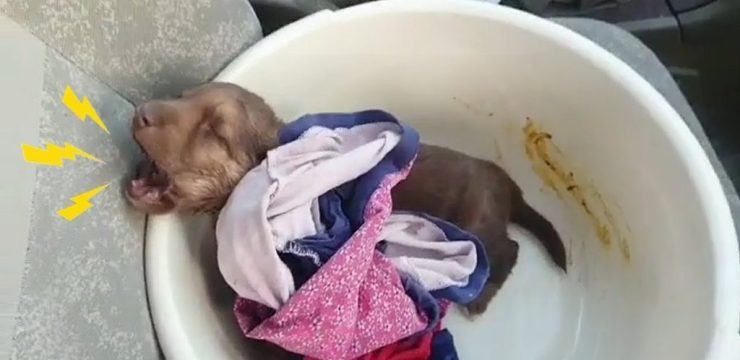
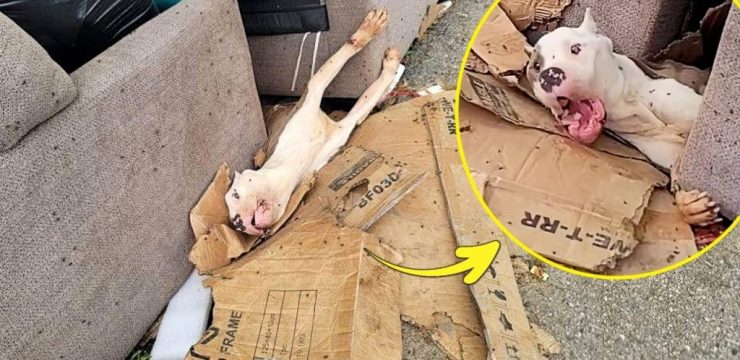
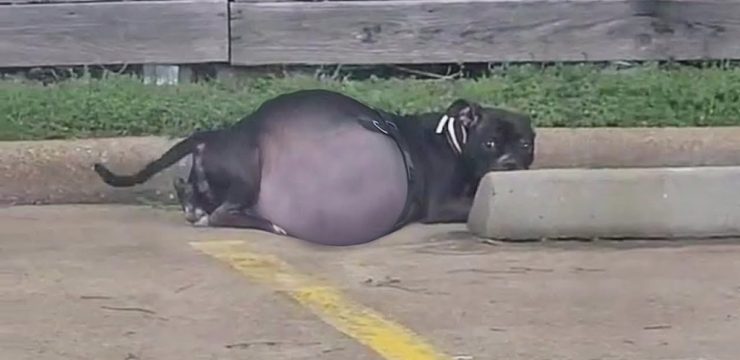
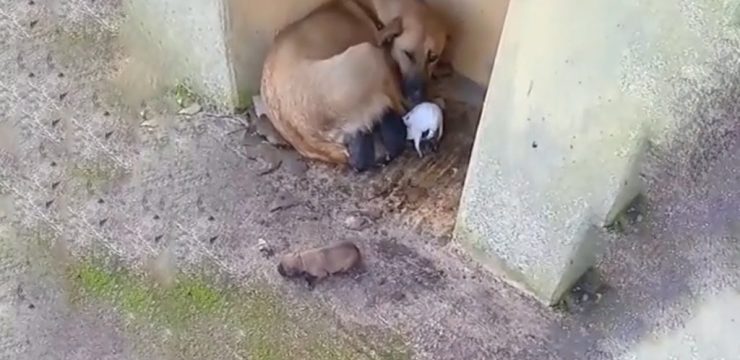
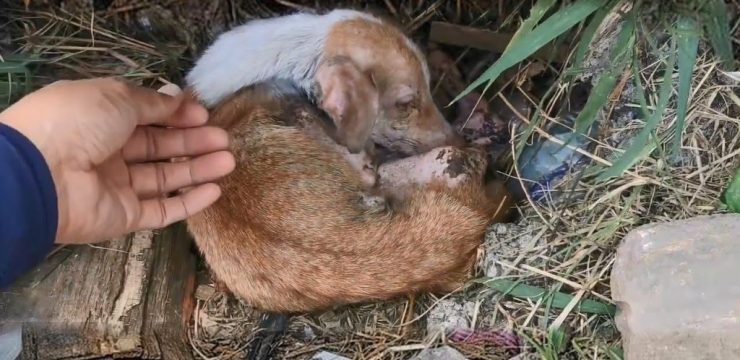
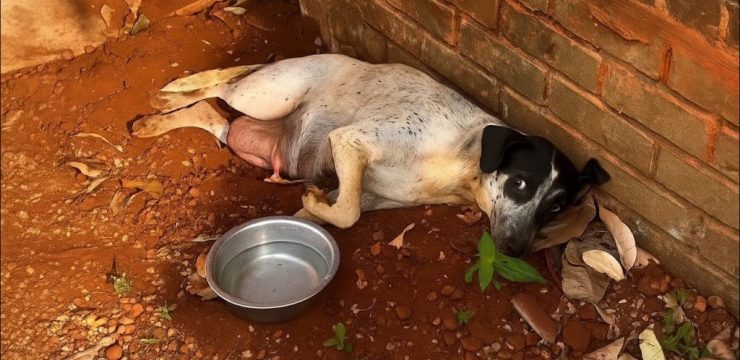
When the rescue team at Dogs Are Family received a report about a stray dog wandering through the streets of the Colón area, they expected another difficult rescue. After years of dedicating themselves to helping abandoned and neglected animals, they had developed a level of emotional strength that allowed them to face heartbreaking situations while continuing their mission. They had witnessed countless cases of suffering, illness, and hardship. Yet nothing could have prepared them for the dog they were about to meet.
The moment they saw him, they realized this case was unlike anything they had encountered before.

The dog was alive, but every movement appeared to be a tremendous struggle. His neck was bent at a severe and unnatural angle, frozen in a position that seemed impossible to maintain. His legs were also affected, making even the simplest tasks incredibly difficult. Each step required visible effort. Every attempt to move seemed uncomfortable and exhausting. Watching him try to navigate the world was enough to leave even experienced rescuers deeply shaken.
Daily life had become a challenge for him. Walking was difficult. Eating was difficult. Even drinking water required effort and determination. The basic activities that most animals perform without a second thought had become obstacles he faced every single day.
The rescue team stood in silence as they observed him. These were people who had devoted years of their lives to helping animals in need. They had seen neglect, medical conditions, injuries, and countless situations that would break most hearts. Yet several members openly admitted that they had never witnessed a case quite as severe as this one. Coming from rescuers with such extensive experience, those words carried enormous weight.
Without wasting a moment, they carefully picked him up and transported him to the Serviver veterinary clinic. They knew he needed immediate attention and a thorough medical evaluation if he was going to have any chance of recovery.
Once at the clinic, veterinarians began working to understand what was causing his condition. Unfortunately, answers were not easy to find.
Residents from the area shared whatever information they could remember, but the accounts varied significantly. Some believed the dog had only been living in this condition for a relatively short time. Others thought he had been struggling for much longer. No one knew for certain how long he had been surviving on the streets while dealing with such serious physical challenges.
What everyone did know was that he had been enduring an extraordinarily difficult life.
The cause of his twisted neck and deformed legs remained a mystery. There was no obvious injury that could immediately explain what had happened. Veterinarians could see the physical effects, but identifying the underlying reason required much deeper investigation.
The uncertainty made the situation even more urgent.
The rescue team understood that general veterinary care alone might not provide the answers they needed. They began searching for a veterinary neurologist who could examine the dog and provide specialized insight. A second opinion from an expert could help identify the source of his condition and guide future treatment options.
Before any long-term plan could be developed, extensive testing was required. Blood work, chemistry panels, and diagnostic screenings were all necessary to evaluate his overall health and determine what was happening inside his body. Each test represented another step toward understanding his condition, but each step also carried significant costs.
Like many rescue organizations, Dogs Are Family depended heavily on the support of compassionate animal lovers. Medical care, diagnostic testing, specialist consultations, medications, and ongoing treatment required resources that could quickly become overwhelming.
Recognizing the urgency of the situation, the rescue team reached out to their community for help. Their request came from a place of genuine necessity. They knew that giving this dog a real chance would require more than good intentions. It would require financial support, medical expertise, and continued commitment from people who cared about animals in need.
The response reflected something powerful about communities that come together for a common purpose.
Perhaps one of the most touching moments during his rescue involved something many people might overlook.
The team demonstrated the special feeding station they had created for him. Because of the extreme angle of his neck, he could not comfortably reach food placed on the ground. To help him eat, they elevated his food and water bowls to a height that accommodated his unique needs.
It seemed like such a simple adjustment.
Yet that small act revealed the enormous challenges he had faced while living on the streets.
Out there, there had been no elevated feeding station. There had been no one adapting his surroundings to make daily life easier. Every meal had likely required tremendous effort. Every drink of water had been another challenge to overcome.
And somehow, despite everything, he survived.
Day after day, he continued moving forward. Alone, struggling, and often unnoticed, he found a way to endure circumstances that would have been overwhelming for any animal.
His story is about more than one rescue.
It serves as a reminder that suffering often exists quietly in places many people never see. Animals cannot explain their pain. They cannot ask for assistance or tell others what they have endured. They simply continue surviving until someone notices them and chooses to help.
For this dog, that moment finally arrived.
The Dogs Are Family rescue team stopped. They looked closely. They recognized his struggle. Most importantly, they refused to walk away.
Because they chose compassion, this dog was no longer invisible.
He now had a safe place to rest. He had medical professionals searching for answers. He had rescuers advocating for his future and supporters cheering for his recovery. For the first time in a very long time, he was surrounded by people determined to give him the care he deserved.
He may never understand the words spoken around him. He may never know how many people became invested in his journey.
But when you look into his gentle eyes, eyes that have endured hardship yet still hold trust, it is hard not to see something that resembles gratitude.
And that gratitude is a beautiful reminder of why rescue work matters so much.