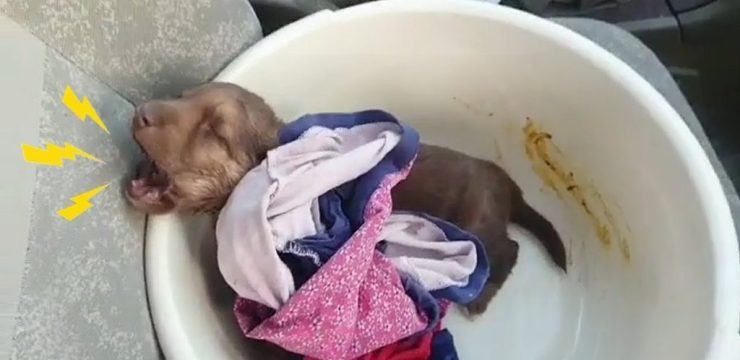
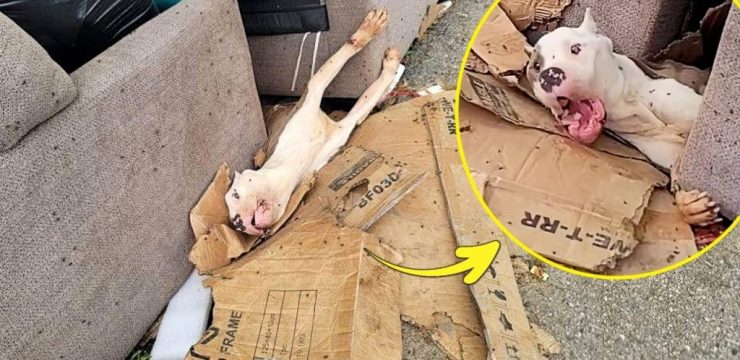
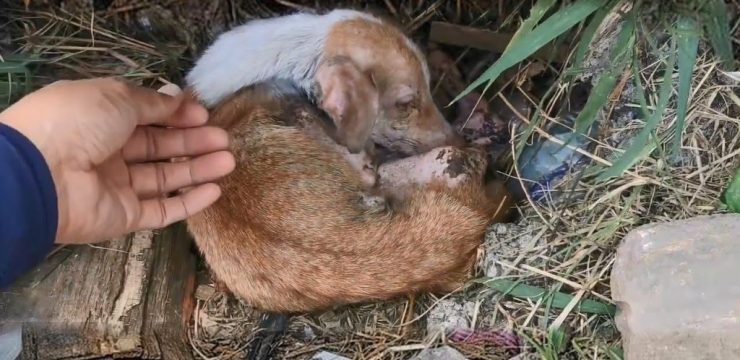
Few stories test the limits of hope the way Cavalete’s journey did. When rescuers first encountered him, his small body was stiff and unmoving, frozen by severe tetanus that had tightened every muscle into painful stillness. He could not stand, bend, or even shift his weight without distress. Movements most animals perform without thinking seemed completely impossible for him. Veterinarians who examined him quietly concluded that his chances were almost nonexistent. Some professionals even described him as beyond help, suggesting that euthanasia might be the most merciful option for a creature whose life appeared destined for constant suffering.

But the rescue team saw something different. They saw a living soul still fighting beneath the rigid muscles. In his tired eyes they sensed a quiet determination that had not yet faded. Instead of focusing on the grim predictions surrounding him, they chose to believe that his story might still hold another chapter. In that moment they made a decision that would shape everything that followed: they refused to give up on Cavalete.
Tetanus is a harsh and unforgiving illness. Once it enters the nervous system, it causes muscles to contract so tightly that the body can resemble a rigid statue. For Cavalete, the disease meant near total paralysis. His legs remained locked straight, his neck strained as if pulled by invisible wires, and even lying still looked exhausting. Caring for him demanded constant supervision, specialized medicine, and a level of patience that stretched far beyond ordinary routines.
Days slowly turned into weeks. The rescue team devoted countless hours to helping him endure the long process of healing. They adjusted medications with care, supported his body through gentle therapy, and made sure he was never left alone. Recovery from tetanus rarely follows a predictable timeline, and there were many long stretches when nothing appeared to change.
At times the situation felt painfully discouraging. Cavalete’s muscles stayed stiff and unresponsive, and even the smallest daily tasks required careful coordination. Feeding him, repositioning him so he could rest comfortably, and monitoring his breathing demanded patience and teamwork. The emotional burden weighed heavily on everyone involved. Choosing hope is one thing, but sustaining it when progress is invisible can test even the strongest hearts.
Still, the rescuers held on. They understood that healing from tetanus requires time for nerves and muscles to reconnect and relearn their delicate communication. Slowly and carefully they introduced small range of motion exercises, gently supporting each limb as if encouraging the body to remember how movement once felt. They spoke softly to him as they worked, offering reassurance through calm voices and steady touch.
Then one day, something changed. At first it was almost too subtle to notice. A faint movement appeared in a limb that had remained rigid for so long. To an outsider it might have seemed insignificant, but those who had watched him closely recognized the difference immediately. Cavalete had moved on his own.
That small motion reignited the team’s determination. From that point forward, progress began to reveal itself little by little. His muscles softened, and his body slowly responded to the therapy that had once seemed futile. Every improvement, no matter how small, felt meaningful. A paw lifted slightly. His jaw relaxed. A stretch that once looked impossible began to happen naturally.
Rehabilitation soon became the central focus of his care. With gentle support, Cavalete was encouraged to place weight on his legs again. His first attempts were uncertain and shaky, as muscles that had been locked in place struggled to remember their strength. Yet he continued trying, and the team continued encouraging him with quiet patience.
The day he finally took real steps remains unforgettable to everyone who witnessed it. Tears filled tired eyes, the result of weeks of worry, dedication, and relentless care. Seeing Cavalete move forward under his own power felt almost miraculous. It was more than a physical milestone; it was proof that compassion and persistence can overcome despair.
From that moment his recovery continued steadily. Coordination returned, his posture improved, and the once rigid body that had seemed beyond saving began to move with cautious excitement. The discomfort that once clouded his expression faded, replaced by curiosity and quiet joy.
Eventually Cavalete was ready for a new beginning. A loving family stepped forward and welcomed him into the kind of home every rescued animal deserves. Today he lives surrounded by warmth, security, and gentle companionship. The dog once labeled hopeless now enjoys life’s simplest gifts: soft bedding, calm walks, and people who cherish him.
His journey is not only a story about medical recovery. It is also a reminder of the courage required to challenge discouraging predictions. The rescue team could have accepted the early prognosis and chosen a quicker ending. Instead they invested time, energy, and compassion into a fragile chance.
Stories like Cavalete’s offer something rare in a world often crowded with discouraging headlines. They remind us that compassion is never weakness and that patience can create space for healing even when circumstances appear impossible. For readers who have lived long enough to understand both heartbreak and perseverance, his journey speaks in a quiet but powerful voice.
Sometimes hope begins with nothing more than the stubborn decision to try again tomorrow. That was the choice the rescuers made for Cavalete, and it changed the course of his life. Because they stayed when it would have been easier to walk away a dog now lives a full life.