There are stories that linger long after the last sentence, stories that make you pause, take a breath, and quietly ask how such suffering could ever be allowed. Caesar’s life is one of those stories. She was a brown bear once trapped inside China’s bile farming industry, and her journey carries both deep sorrow and lasting hope. It is a story about cruelty and endurance, about loss and healing, and about the responsibility we share to protect those who cannot protect themselves.

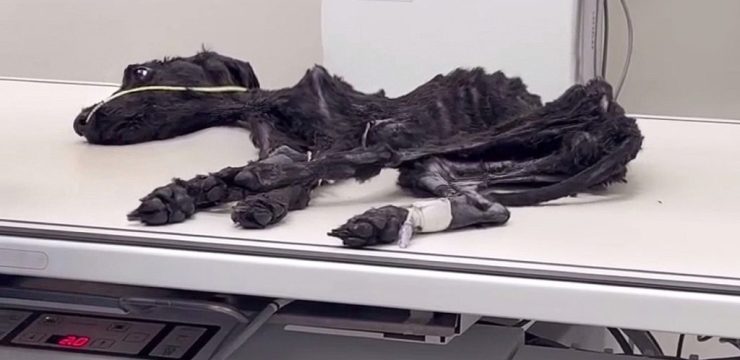
During the earliest years of her life, Caesar knew nothing of freedom. Instead of forests, fresh air, and open space, she lived inside a cramped metal cage. Her body was confined in a rigid vest designed to hold her in place, limiting nearly every natural movement. This device was not meant to protect her; it existed solely to allow bile to be taken from her gallbladder repeatedly. Day after day, her body endured stress and injury, while her mind absorbed fear and confusion. She carried visible wounds and invisible trauma, and yet she somehow survived a situation that broke so many others.
For a bear, an animal known for intelligence and strength, this existence was especially devastating. Bears are meant to roam, dig, explore, and interact with their surroundings. Caesar was denied all of that. Her life became a cycle of confinement and discomfort, with no understanding of why it was happening or when it might end. It is difficult to imagine the emotional toll of such conditions, and even harder to accept that this suffering was inflicted for profit.
In 2004, Caesar’s life took a remarkable turn. She was rescued by the organization Animals Asia, whose work focuses on ending bile farming and caring for the animals already harmed by it. When Caesar arrived at the sanctuary, she was injured, fearful, and deeply mistrustful. The vest was finally removed, and for the first time she experienced sunlight and open space without restraint. Healing did not happen overnight, but with patience, medical care, and gentle treatment, she began to recover.
Over time, Caesar transformed in ways that moved everyone who knew her. Her coat grew thick and healthy, her posture changed, and her personality slowly emerged. She discovered simple pleasures that had once been impossible. She loved digging in the soil, a small act that carried enormous meaning after years of confinement. She enjoyed swimming, stepping into the water with confidence and calm, moving freely as nature intended. On cool autumn days, she could often be found resting in the sun, eyes half closed, absorbing warmth and peace.
Caesar carried herself with quiet strength, living up to the powerful name she was given. Weighing more than six hundred pounds, she was impressive in size, but what truly stood out was her spirit. Visitors to the sanctuary often spoke about the expression in her eyes, a look that seemed both gentle and determined. She became a symbol of survival, reminding people that even after profound suffering, a life can still hold joy and dignity.
Yet the past never fully released its grip. Years of abuse had caused lasting damage inside her body. Eventually, Caesar developed an aggressive tumor linked to the trauma she had endured. Despite attentive veterinary care and the devotion of her caregivers, her condition worsened. After thirteen years of freedom, Caesar passed away. Her loss was deeply felt by those who had fought for her and loved her, and by all who understood what her survival represented.
Caesar’s death highlights a painful truth. While she was rescued, thousands of bears remain trapped in similar conditions. Estimates suggest that many are still confined on bile farms in China and Vietnam. Although some of the most extreme devices are now banned, the suffering continues in different forms. For every bear saved, many others remain unseen, living in cages with no guarantee of rescue.
For readers who value compassion, especially those who have spent decades witnessing both progress and injustice, Caesar’s story carries a powerful lesson. Change does not always happen quickly, but it matters deeply when it does. The people who saved Caesar could not end the industry overnight, yet they changed everything for her. They gave her safety, respect, and years filled with experiences she had been denied.
Her story calls us to stay aware and involved. Supporting organizations that work to end animal cruelty matters. Sharing stories like Caesar’s matters, because awareness makes it harder for suffering to remain hidden. Advocacy, kindness, and persistence can lead to real change, even when the problem feels overwhelming.
When we think of Caesar now, it is best to remember her not for the pain she endured, but for the life she reclaimed. She swam, she dug, she rested in the sun, and she experienced care and comfort. Her scars never disappeared, but they did not define her final years. She showed us that healing is possible, and that every act of compassion has value.
Caesar’s life is more than a memory. It is a reminder that the fight to protect animals is not finished, and that turning away is not an option. If saving even one bear means giving them the chance to live with dignity and peace, then the effort is always worth it.
Her legacy urges us to keep caring, keep speaking, and keep choosing mercy, until no animal suffers in silence again.