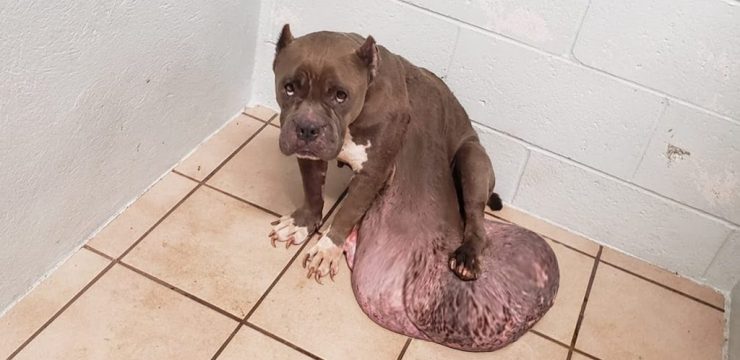
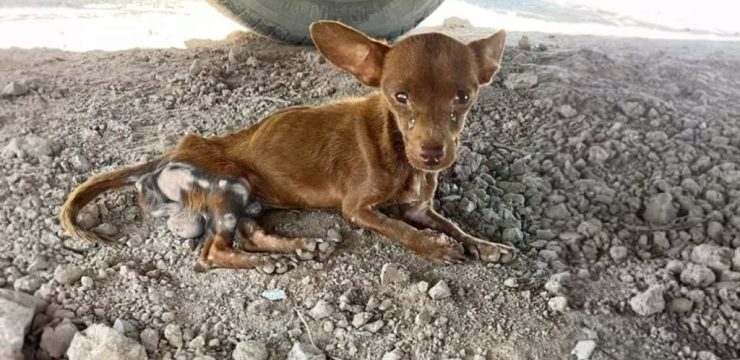
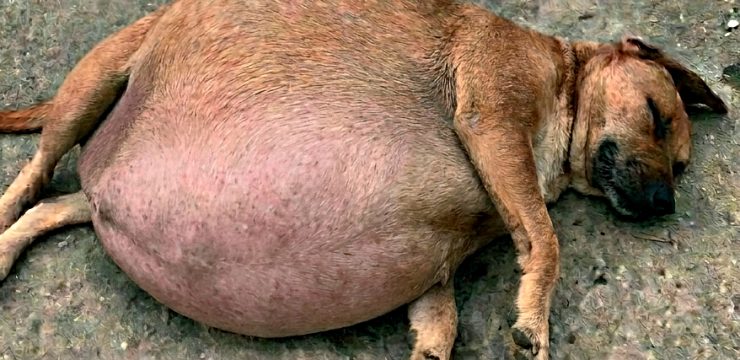
Nazlı’s story is one of quiet endurance, overwhelming fear, and a kind of healing that can seem impossible until you watch it happen. When rescuers first found her, she hardly looked like the dog she would eventually become. Her body was painfully thin, her coat was tangled into heavy mats, and fear followed every movement. Footsteps frightened her. Voices made her tense. Even leaves rustling nearby could send her scrambling away. Everything about her behavior suggested that she had spent a long time surviving without safety, comfort, dependable food, or any reason to trust people.

Her first medical examination revealed just how desperate that survival had become. There was no proper food in her stomach. Instead, rescuers discovered grass, small stones, and pieces of trash, things she had apparently swallowed because hunger left her with few choices. The discovery made her condition even more difficult to comprehend. Nazlı had not been enjoying anything resembling a normal life. She had been getting through one uncertain moment after another, searching for whatever she could find while her body steadily grew weaker.
The rescue team understood that she needed help immediately, but they also knew her weakened system required caution. They began offering gentle nourishment in controlled amounts, allowing her body time to adjust to real food again. Her badly matted coat also needed attention. Soothing baths helped loosen the tangled fur, while caregivers worked slowly because the skin beneath it was extremely sensitive. A serious skin condition required specialized ointments, and every step had to balance urgency with gentleness.
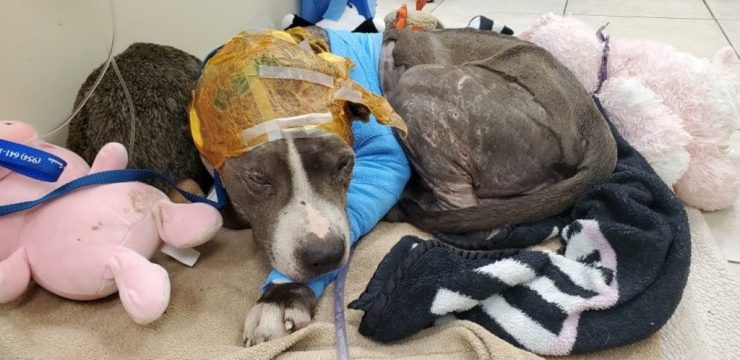
Her fragile body carried other signs of hardship. Bruises and wounds needed treatment, and antibiotics were provided to support her recovery. There was no dramatic overnight change. Nazlı needed medical attention, proper nutrition, patience, and people willing to continue showing up every day. At one stage, surgery became necessary to address her medical needs. After the procedure, she was given the quiet rest her body desperately needed. Little by little, her condition stabilized, and the dog who had seemed so close to surrendering began responding to care.
Yet repairing Nazlı’s physical health was only half the challenge. Her emotional wounds were harder to see and more complicated to heal. At first, she sometimes responded to people with aggression. Her behavior did not come from cruelty or a dangerous temperament. She was terrified. Fear had shaped the way she understood the world, teaching her to expect danger even in ordinary situations. A simple object such as a mop handle could make her freeze, retreat, or prepare herself for something frightening.
Her primary caregiver recognized that trust could never be demanded from Nazlı. It had to be earned slowly. There were no raised voices, sudden movements, or expectations that she should become affectionate before she was ready. Instead, her days were filled with calm voices, gentle hands, patient companionship, and reassuring routines. The caregiver allowed Nazlı to observe and decide for herself that these people were different from whatever she had feared before.
Day after day, the message remained consistent. Nobody chased her away. Nobody intentionally frightened her. Hands reaching toward her moved carefully, and the voices around her stayed calm. Those repeated experiences began to change something inside her. At first the difference was almost impossible to notice. Then her fear slowly started loosening its hold.
Within a few weeks, Nazlı began doing something that once seemed unimaginable. Rather than retreating from her caregiver, she started approaching. Curiosity came first. Then came trust. Eventually, affection followed. The transformation reached beyond improved weight, cleaner fur, or healthier skin. Something inside her seemed lighter, as though she was finally discovering that life did not always have to be lived in fear.
Even her eyes appeared different. The constant alarm that had once defined her expression gave way to warmth. Her body became less tense, and she moved with growing ease. She was learning what comfort felt like, perhaps for the first time. Every small change reflected the patience of people who refused to rush her and the remarkable ability of a frightened animal to trust again when kindness remained consistent.
The final stage of Nazlı’s journey brought what she had needed all along: a genuine home. A kind man adopted her and offered more than shelter. He gave her a place where she belonged, where daily life could be predictable, peaceful, and safe. After everything she had endured, Nazlı finally had the security that once seemed beyond her reach.
Her new home also brought companionship. Another small dog became part of her world, giving Nazlı the chance to discover ordinary joys she had missed for so long. She could play, relax, and simply exist without constantly watching for danger. She embraced the new rhythm of her life, surrounded by warmth, familiar routines, and people who valued her.
Today, Nazlı’s life bears little resemblance to the desperate existence rescuers first witnessed. The dog who once filled her empty stomach with grass, stones, and trash now knows regular meals and comfort. The frightened animal who once recoiled from sounds and ordinary objects now understands affection, companionship, and safety.
Her story is more than a rescue story. It is a reminder that recovery often happens through countless small acts of patience rather than one dramatic moment. Compassion gave Nazlı medical care, but consistent kindness helped restore her trust. Her journey shows what can happen when someone chooses to stay patient with an animal whose fear has become deeply rooted. A wounded spirit may need time, gentleness, and understanding, but healing can still come. Nazlı was given that chance, and with it, she discovered the peaceful life she had always deserved.