On May 31st, near Brest Airport in Belarus, a heartbreaking sound pierced the still air. The desperate cries of a tiny puppy echoed across the area, stopping strangers in their tracks. Something in those cries felt urgent, wrong, and impossible to ignore. A small group of passersby followed the sound, their concern growing with every step. What they found made their hearts sink, and without hesitation, they called emergency services, fearing the worst.
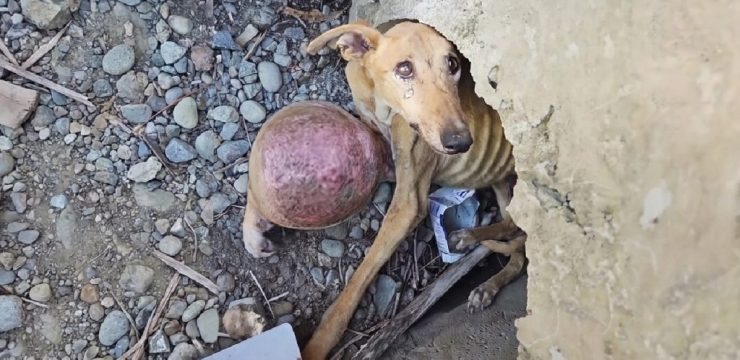
Their fears proved justified. When responders arrived, they discovered a horrifying sight. A small puppy was trapped in a thick, black, tar-like substance. The sticky material had hardened around the animal’s body, holding it firmly in place. Only the puppy’s head and part of its upper torso were visible. The rest of its tiny frame was swallowed by the hardened mass. Even more alarming, the resin beneath the dog had formed a deep cavity, creating the real danger that the puppy could sink further if help did not come quickly.

The substance appeared to be an industrial residue, possibly linked to nearby mining or waste materials. Whatever its origin, it had become a deadly trap. The puppy had clearly struggled for hours, perhaps longer, exhausting itself in a desperate attempt to break free. By the time rescuers arrived, the animal was barely moving.
Firefighters and emergency responders immediately began the painstaking task of freeing the dog. It was not a simple rescue. The hardened resin clung tightly to the puppy’s fur and limbs. Every movement required caution. Pull too hard, and they risked breaking fragile bones. Move too slowly, and the puppy’s strength might give out completely. For nearly an hour, they worked carefully, patiently, and with extraordinary gentleness.

At last, the puppy was freed. But freedom did not mean safety yet.
The dog was barely conscious, unable to stand, and coated in the toxic substance from head to tail. The smell alone suggested danger, and the chemical residue posed an immediate threat to the puppy’s health. That was when the local volunteer group Kindness in Brest arrived. Known for their deep commitment to animal rescue, they brought supplies, experience, and above all, compassion.
Working alongside the emergency responders, volunteers began the exhausting process of cleaning the puppy. They used sunflower oil, warm water, and soft cloths to slowly dissolve the resin without causing further pain. It was delicate work that demanded patience and care. As the tar began to loosen, the extent of the damage became heartbreakingly clear.

The puppy was severely dehydrated. Its skin was irritated from prolonged exposure to chemicals. Later X-rays revealed fractures in both paws and the tail, likely caused by the animal’s desperate struggle while trapped. The situation was worse than anyone had first imagined. Still, no one considered giving up.
Fluids were administered. The puppy was wrapped in warmth and offered small amounts of food and water. Everyone hoped the little body would find the strength to respond.
That evening, a fragile sign of hope appeared. The puppy managed to drink water and eat a small portion of food. It was a small victory, but in that moment, it meant everything. Volunteers allowed themselves to believe recovery might be possible.
The next day, however, brought new challenges. The chemical burns caused by the resin began to worsen. In an attempt to soothe the pain, the puppy licked its injured paws, accidentally ingesting harmful residue. This led to vomiting and a loss of appetite. The progress from the night before seemed to slip away.
Recognizing they needed more help, the volunteers reached out to the community once again. The response was immediate and deeply moving. Dozens of people came forward, bringing hot water, gentle pet shampoo, soap, towels, and warm blankets. Many of them had never seen the puppy before, but they felt connected to its suffering and wanted to help in any way they could.
For four days and nights, volunteers worked in shifts. They cleaned, comforted, and monitored the puppy around the clock. Slowly, almost imperceptibly at first, the resin disappeared from its coat. The burns began to heal. The puppy remained weak, but with each passing hour, its resilience became more visible.
Then, something beautiful happened.
A local resident, deeply touched by the story and the extraordinary care shown by the community, decided to adopt the puppy. The dog was given a name, a safe home, and the promise of a future free from fear and pain. After everything it had endured, the little survivor would no longer be alone.
Today, the puppy lives with a loving family, surrounded by warmth and protection. Its journey from despair to safety stands as a powerful example of what compassion can accomplish.

Authorities continue to investigate the source of the toxic resin, working to determine whether environmental regulations were violated. The incident highlights the very real dangers posed by industrial waste and the responsibility communities and industries share in protecting both nature and vulnerable animals.
But beyond the environmental questions, this story carries a deeper message. It shows the strength of human kindness when people choose to act together. Firefighters, volunteers, and ordinary citizens all played a role in saving one small life. Their actions remind us that no effort is too small when it comes to helping those who cannot speak for themselves.
This rescue became more than an emergency response. It became a symbol of unity, empathy, and shared responsibility. It reminds us that we all have the power to notice, to care, and to act.
Whether by making a phone call, offering supplies, volunteering time, or simply refusing to look away, each person contributed to the outcome. In a world where we often feel powerless in the face of large problems, this story shows that individual actions still matter.
The puppy from Brest survived a terrifying ordeal, but more importantly, it brought people together in an extraordinary display of compassion. Its survival is not just a story of rescue. It is a reminder that when communities unite with determination and heart, even the most fragile life can be saved.

And sometimes, that is enough to restore our faith in humanity.